With the continuous growth of urban populations, food waste generation is increasing rapidly worldwide. However, due to its high moisture content, complex composition, and mixed impurities, food waste remains one of the most challenging waste streams to manage.
Why Pretreatment Is Critical in Food Waste Recycling
In practical operations, insufficient pretreatment often leads to:
- Equipment clogging
- Frequent downtime
- Unstable system operation
- Reduced overall efficiency
For this reason, a well-designed food waste treatment system must begin with a reliable and efficient food waste pretreatment process.
Only when impurities are effectively removed and organic materials are properly conditioned can downstream processes such as composting or anaerobic fermentation operate efficiently.
Stable pretreatment is the foundation of successful food waste resource recovery.
Recommended Food Waste Pretreatment Process
To address the challenges caused by imperfect source separation, a multi-stage configuration is recommended:
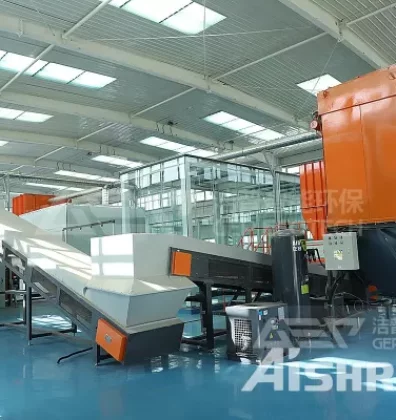
Primary Shredding → Magnetic Separation → Biomass Shredding & Separation → Screw Press Dewatering
This structured food waste recycling process ensures safe handling, impurity removal, and improved dewatering performance.
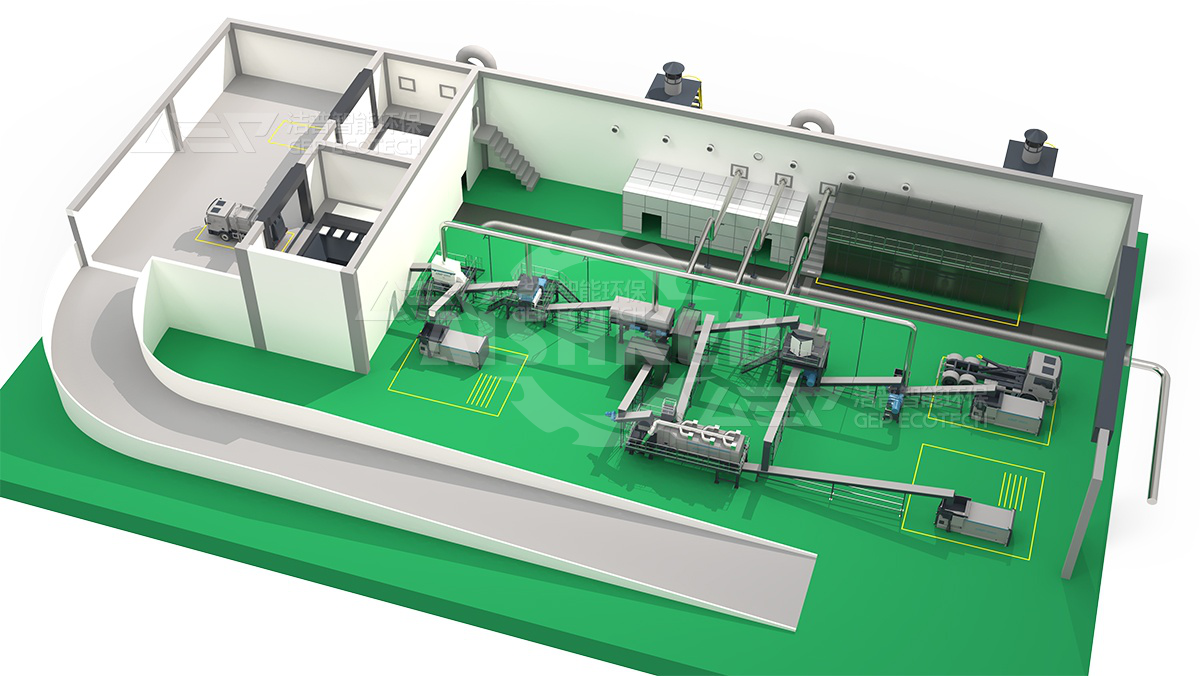
Key Equipment in the Food Waste Recycling Line
Food Waste Pre-shredder and Magnetic Separator
Municipal food waste streams often contain woven bags, textiles, plastic packaging, bamboo, and even renovation debris.
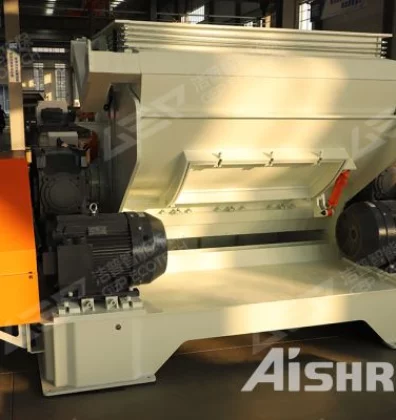
The pre-shredder, which can usually be a double-shaft shredder with low speed and high torque, reduces material size to below 200 mm, ensuring manageable feedstock for downstream equipment. The magnetic separator removes ferrous metals, protecting the system from mechanical damage.
This stage significantly reduces clogging risks and enhances system reliability.
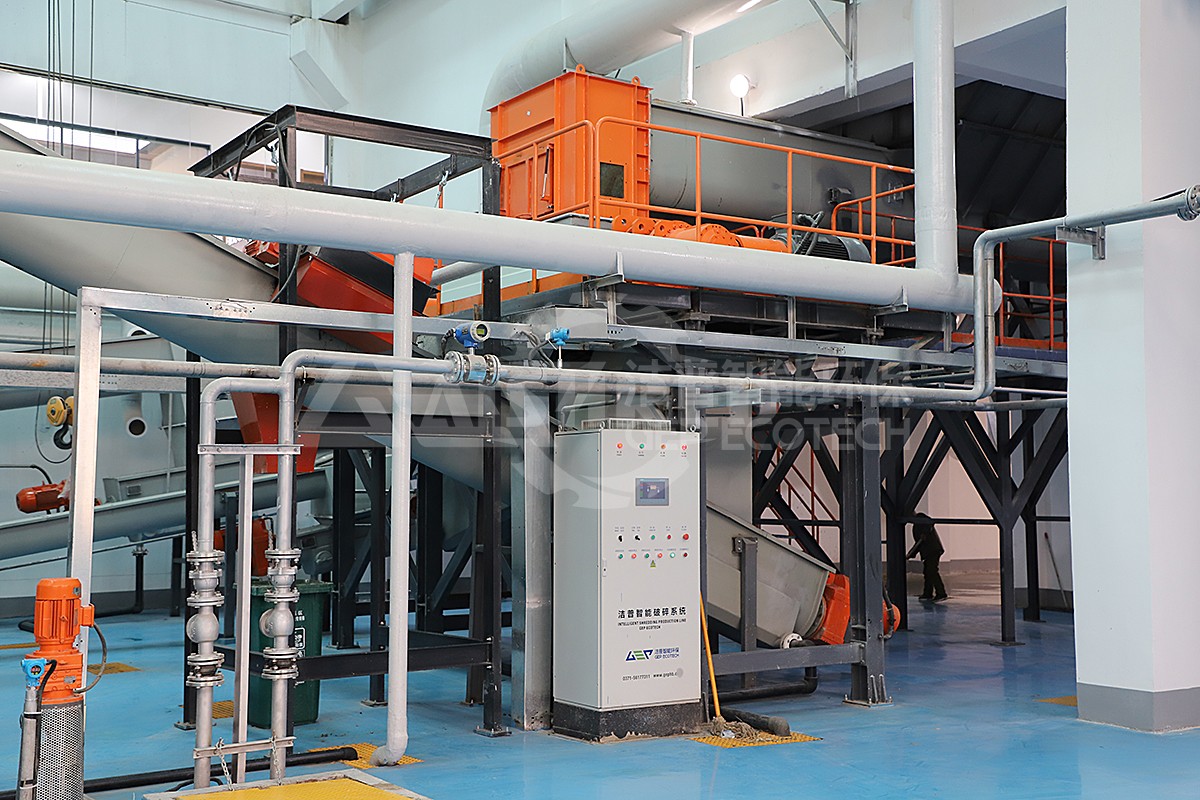
Biomass Shredding and Separation Unit
The biomass shredding and separation unit plays a central role in the food waste pretreatment system.
Its functions include:
- Breaking organic cell walls to release internal moisture
- Separating plastics, textiles, bamboo shells, corn husks, and other rigid contaminants
- Producing a homogeneous organic fraction
By improving organic purity, this stage greatly enhances the performance of subsequent dewatering.
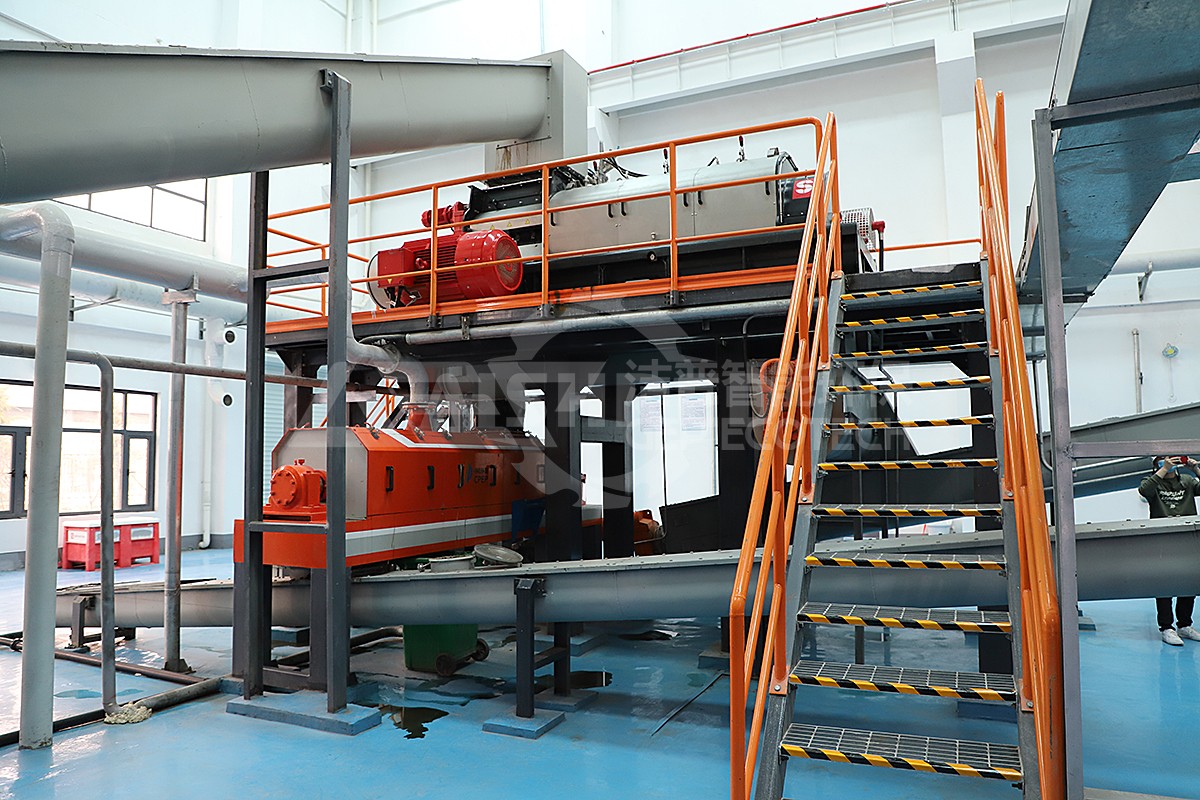
Screw Press Dehydrator
After separation, the organic fraction enters a screw press dehydrator for solid-liquid separation.
The screw press provides:
- Continuous and stable mechanical dewatering
- Significant moisture reduction
- Effective volume minimization
The solid fraction can be sent for composting or anaerobic fermentation, while the liquid fraction is directed to wastewater treatment.
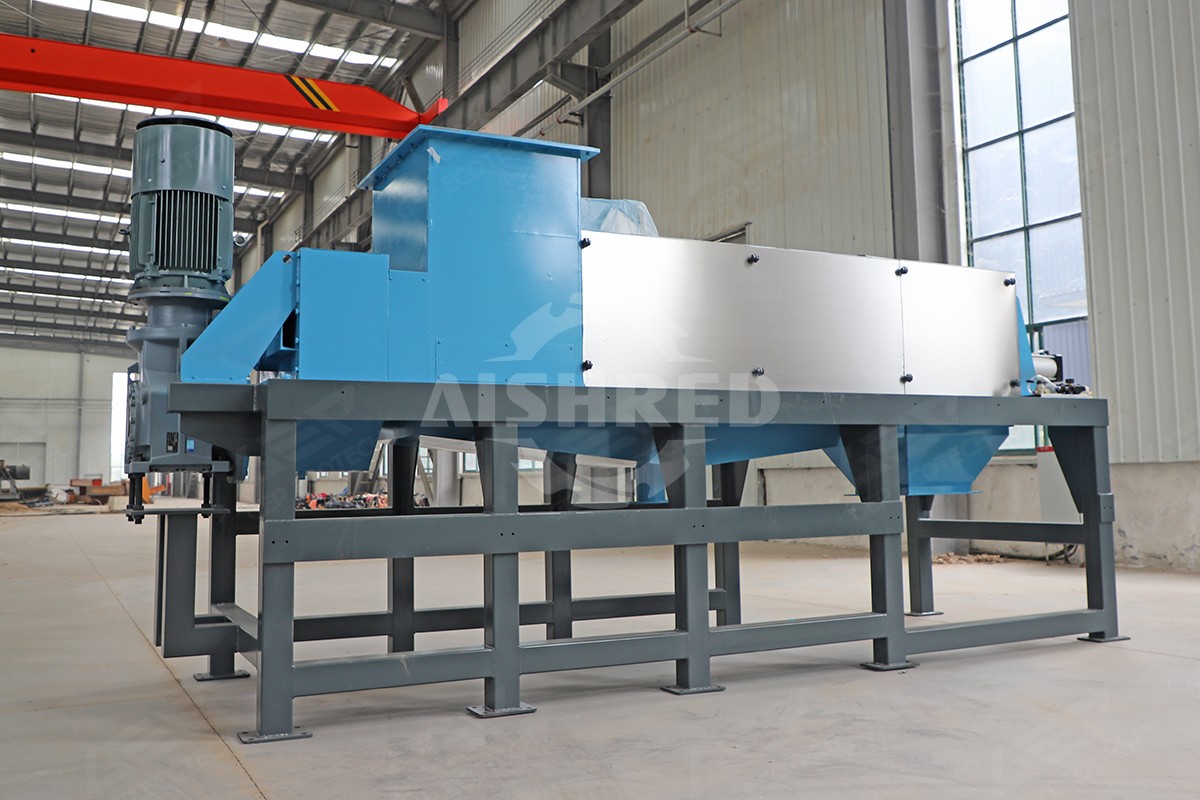
Process Advantages
An optimized food waste treatment system offers:
- Reduced clogging and unplanned downtime
- Higher separation efficiency
- Improved organic material quality
- Stable operation of the entire organic waste recycling line
- Enhanced resource recovery potential
As cities continue to strengthen environmental regulations and circular economy policies, investing in a stable and efficient food waste recycling system is becoming increasingly important. A scientific pretreatment design is not just a technical requirement — it is the key to long-term operational success.
GEP ECOTECH has been engaged in the R&D of food waste treatment for many years, and can flexibly design food waste recycling lines based on specific treatment requirements, optimizing configurations to create a safe and stable disposal system. If you need to set up a food waste treatment line, please feel free to contact us. We can provide detailed reference suggestions and excellent disposal solutions tailored to your needs.