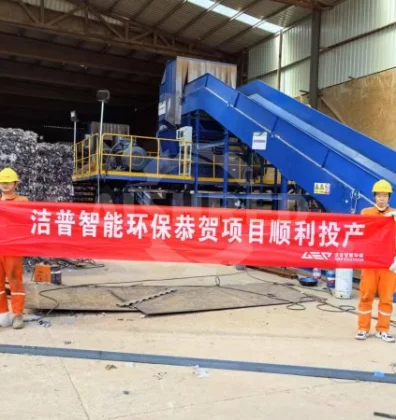
Plastic pallets are indispensable in modern logistics, offering superior durability, hygiene, and resistance to moisture, chemicals, and pests. But when they reach the end of their useful life, efficient shredding is the key to unlocking their recycling value. This article explores what a 1 TPH plastic pallet fine shredding system looks like—and how GEP ECOTECH delivers a robust, comprehensive solution for high‑capacity recovery.
The Growing Imperative of Plastic Pallet Recycling
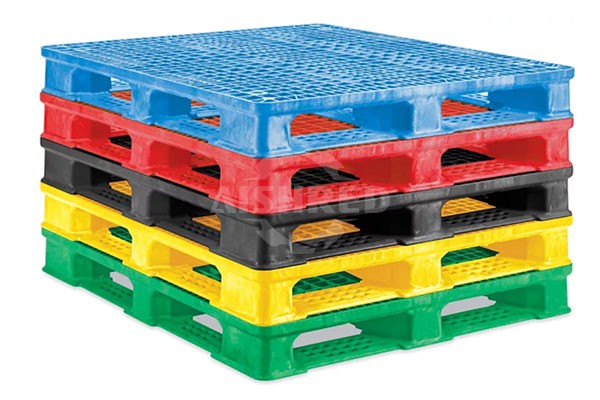
Plastic pallets are predominantly made from HDPE and PP—HDPE offers excellent impact resistance and cold‑weather durability, while PP provides superior stiffness and heat tolerance. In terms of service life, high-quality plastic pallets can usually be used for 5-10 years and complete 100-300 transportation cycles, while ordinary wooden pallets can only complete 5-20 transportation cycles before needing maintenance or replacement, so the full life cycle cost of plastic pallets is lower. Recycling end-of -life (ELV) pallets saves 60–70% of energy and cuts CO₂ emissions significantly compared to virgin production. However, challenges remain: contamination from residues or labels, embedded metal inserts (screws, nails), and underdeveloped collection infrastructure often hinder efficient recovery. These barriers make professional, integrated shredding systems essential for unlocking the full value of scrap pallets.
Meeting the Challenge: A Middle Eastern Client's Requirement
A recent Middle Eastern project set clear targets: Processing plastic pallets at a minimum 1 TPH, with feed dimensions of 1.2 m × 1.0 m and unit weight of 7.5 kg, and produce a final granulate size of 10–15 mm for downstream recycling.
GEP ECOTECH's Engineered Solution: Two-Stage Shredding for Precision Output
To meet the client's demanding 1 TPH requirement and produce a uniform 10–15 mm granulate, GEP ECOTECH designed a two-stage shredding system that balances heavy-duty primary reduction with precision final granulation. The auxiliary equipment—feeder, magnetic separator, and discharge conveyor—supports the core shredding process but takes a secondary role in this integrated line.
Stage One: Heavy-Duty Primary Reduction—Double-Shaft Shredder
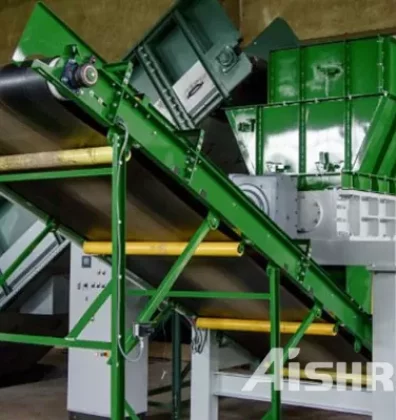
The first stage is GEP ECOTECH's double-shaft shredder, the workhorse of the system. This low-speed, high-torque machine is engineered to process a wide range of tough materials with consistency and reliability. Built using revolutionary design concepts, advanced machining processes, and strict quality control, it delivers exceptional durability in demanding industrial environments.
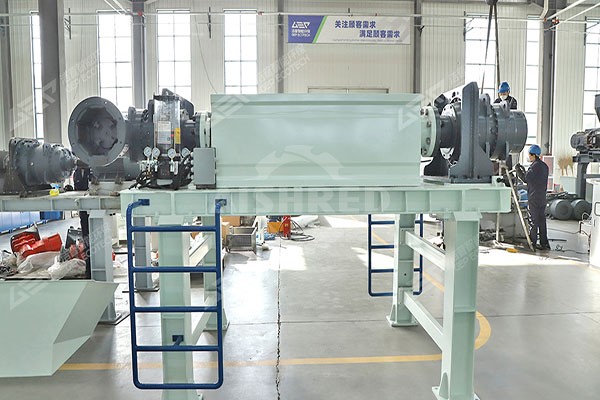
Key features include:
- Integrated body construction and quality alloy cutters for extended service life
- Intelligent control system supporting start/stop, reverse, and overload protection
- Custom-built configurations tailored to specific material and input/output requirements
- Wide material adaptability with different component options (reducers, cutter sets, etc.)
In this application, the double-shaft shredder reduces the 1.2 m × 1.0 m plastic pallets—each weighing 7.5 kg—to coarse fragments of approximately 100–300 mm, preparing them for the final granulation stage.
Stage Two: Precision Final Granulation—Small Plastic Shredder
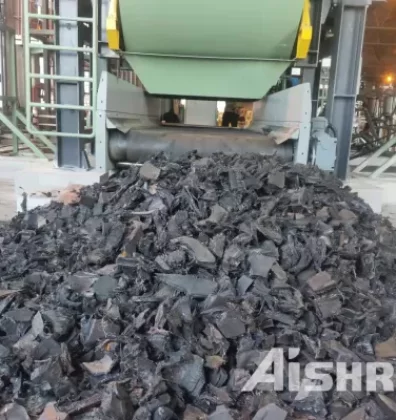
The coarse output then enters GEP ECOTECH's small plastic shredder (granulator), a compact yet powerful machine engineered to deliver uniform, high-quality granules. While the double-shaft shredder handles bulk reduction, this unit provides the precision needed to meet the client's 10–15 mm specification.
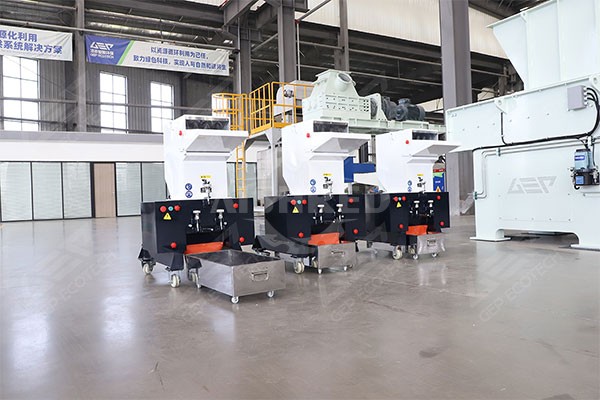
Key capabilities include:
- Adjustable screens for precise particle size control, producing granules as required
- Processing capacity of around 1,000 kg/h, offering excellent flexibility for small to medium-scale operations
- Robust rotor and high-quality cutters for reliable, consistent performance
- Modular design enabling quick cutter maintenance and cleaning, minimizing downtime
- Standard electrical control with start/stop, reverse, and overload protection
Whether used as a standalone unit or integrated into a larger recycling line, this machine ensures reliable throughput and consistent output quality
Auxiliary Equipment—Supporting the Core Process
The remaining components ensure smooth material flow and product purity:
- Chain plate conveyor—Steadily conveys pallets into the primary shredder, preventing bottlenecks
- Magnetic separator—Removes ferrous metals (screws, nails, reinforcements) to protect downstream equipment and ensure clean output
- Discharge belt conveyor—Transports the finished granules to collection points for bagging or further processing
Together, this two-stage approach—primary shredding followed by precision granulation—maximizes energy efficiency, extends cutter life, and delivers a clean, uniformly sized output ready for high-value material recovery.
Partner with GEP ECOTECH
As a trusted leader in solid waste recycling, GEP ECOTECH offers custom‑engineered shredding solutions for diverse waste streams. From single machines to complete lines, our team provides expert support and tailored designs to meet your specific needs.
Contact GEP ECOTECH today to boost your recycling capability and turn scrap pallets into profit.