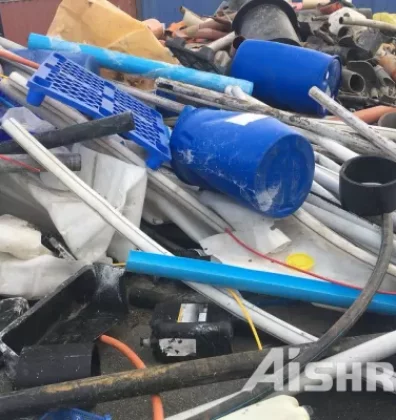
Waste tires contain valuable rubber, steel wire, and textile fibers that can be recovered for use in rubber flooring, sports surfaces, and other industrial applications. Choosing the right waste tire recycling equipment depends on the required particle size, processing capacity, and final product quality.
GEP ECOTECH provides customized tire shredding and recycling solutions, helping customers configure equipment according to their material characteristics and production requirements.
1. What Equipment Is Needed for Rubber Granules Production?
A typical rubber granules production line may include:
- Tire debeader: Removes bead wire before shredding when required.
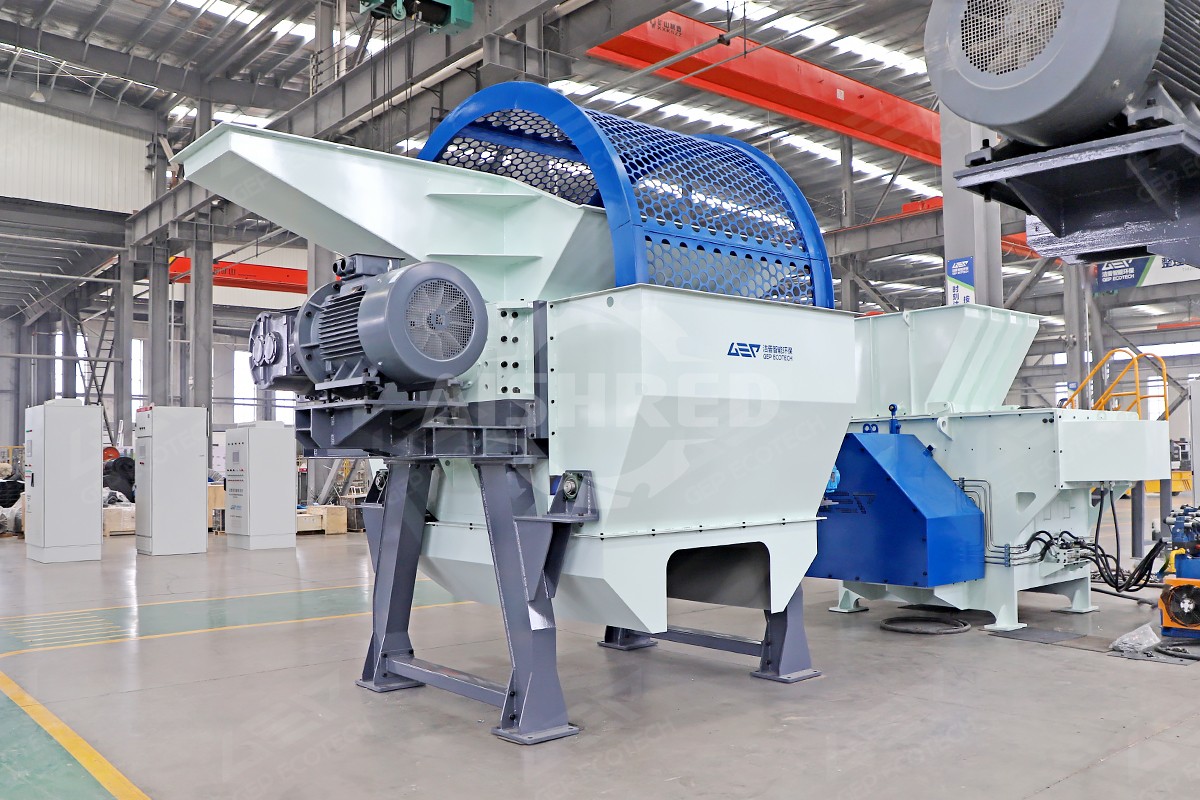
- Tire shredder: Reduces whole tires into smaller pieces.
- Rubber granulator: Further reduces the material to the target particle size.
- Magnetic separator: Removes liberated steel wire.
- Vibrating screen: Classifies rubber particles by size.
- Fiber separator: Removes textile fibers when required.
The final configuration depends on the intended application. Producing 50 mm rubber chips for further processing is different from producing fine rubber granules for sports surfaces. Finer products generally require additional size reduction and separation stages.
2. Real GEP ECOTECH Waste Tire Recycling Projects
Kuwait: Tire Processing for Rubber Running Tracks
GEP ECOTECH supplied waste tire processing equipment to a customer in Kuwait for producing rubber material for a running track application.
The published configuration included a tire wire drawing machine, chain conveyor, tire crusher, and steel wire separation equipment. These machines work together to prepare waste tires and recover steel wire during processing.
For similar projects, the required rubber particle size and acceptable steel content should be confirmed before determining whether additional granulation, screening, or fiber separation equipment is necessary.
Southeast Asia: Tire Pretreatment for Pyrolysis
In another project, GEP ECOTECH customized a waste tire pretreatment line for a pyrolysis facility processing passenger car and truck tires.
The published capacity was 3–4 tons per hour, with an output size of approximately 50 mm. The system incorporated wire extraction, shredding, and magnetic separation to prepare the material for the subsequent pyrolysis process.
This case highlights an important point: equipment designed to produce rubber chips for pyrolysis is not necessarily suitable for manufacturing finished rubber granules. The target product determines the required processing stages.
3. How to Select the Right Tire Recycling Machine
Before investing in a waste tire recycling plant, consider four key factors:
- Tire types: Passenger car tires, truck tires, and OTR (off-the-road) tires involve different processing requirements.
- Required capacity: Specify the target throughput in tons per hour.
- Final particle size: Define the required granule range or powder specification.
- Separation requirements: Confirm the acceptable residual steel wire and textile fiber content.
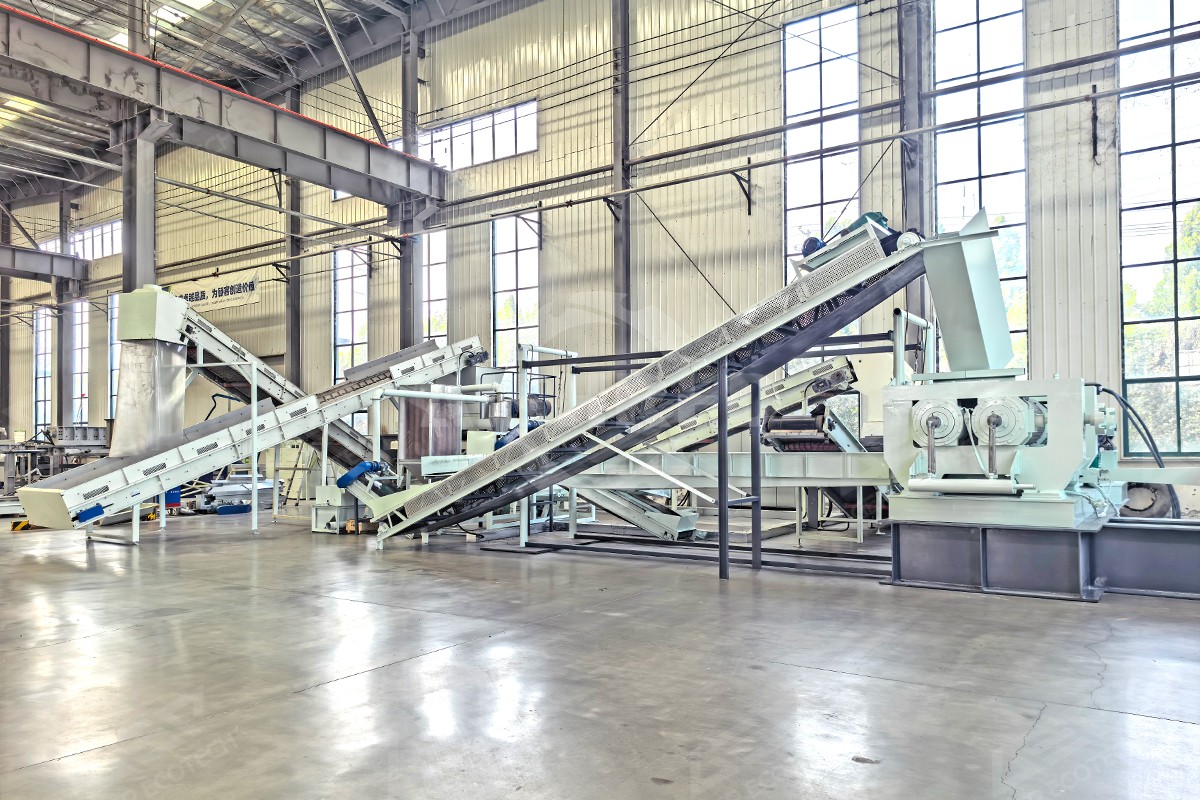
These details help determine the appropriate combination of shredding, granulation, screening, and separation equipment.
Get a Customized Waste Tire Recycling Solution
GEP ECOTECH provides waste tire shredders and customized recycling equipment for different processing applications.
If you are planning a rubber granules production line or upgrading an existing recycling plant, contact GEP ECOTECH with your tire types, target particle size, required capacity, and final application. Our team can evaluate your requirements and recommend a suitable equipment configuration for your project.