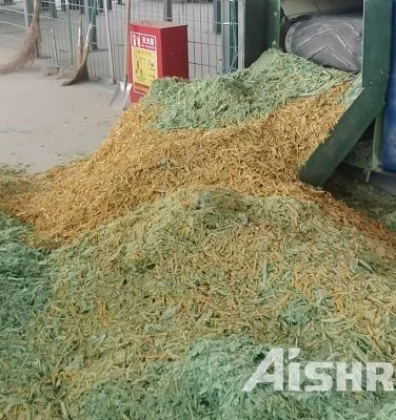
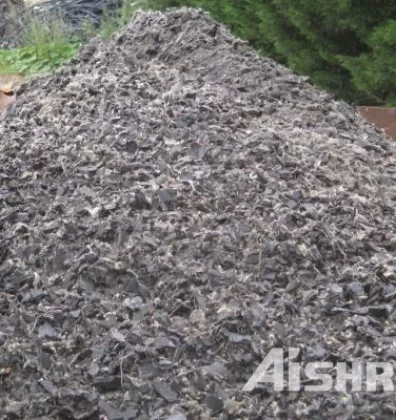
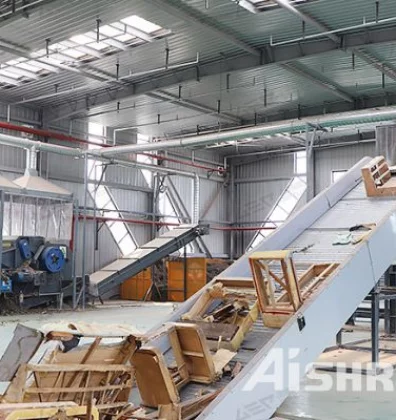
Bulk Molding Compound (BMC) is a thermosetting polyester prepreg composed of short glass fibers (FRP), unsaturated resin, calcium carbonate fillers, and various additives. Known for its exceptional dimensional stability, heat resistance (HDT of 200–280°C), outstanding electrical insulation (arc resistance up to 190s), and strong resistance to water, oils, and chemicals, BMC is widely used in electrical components (circuit breakers, motor enclosures), automotive parts, and precision industrial applications.
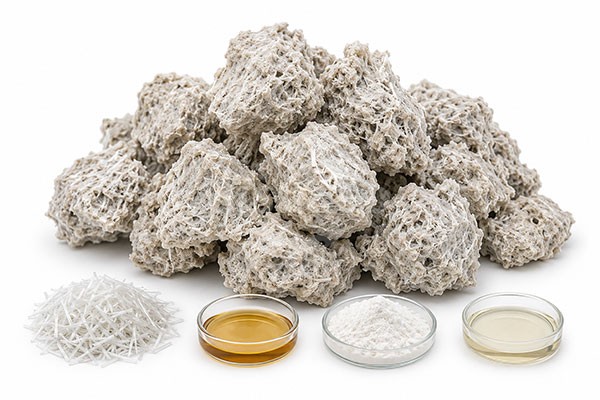
Challenges in Disposing Scrap BMC
Despite its excellent properties, scrap BMC recycling faces a few key challenges: the material's abrasive glass-fiber content causes significant wear on conventional equipment; color separation is critical to avoid quality degradation; and fine dust generation during processing requires efficient collection systems for safe operation.
Common BMC Recycling Process
A typical scrap BMC recycling line follows these stages:
- Sorting—Separating materials by color and type to prevent cross-contamination.
- Primary Shredding—Using a double-shaft shredder to reduce large BMC blocks and rejects to a manageable size.
- Magnetic Separation—An overbelt magnetic separator removes ferrous metal contaminants (e.g., screws, inserts, tooling debris) that may have been mixed with the scrap, protecting downstream equipment from damage and ensuring a cleaner recycled product.
- Fine Shredding—The pre-shredded and de-metallized material then enters a single-shaft fine shredder for controlled size reduction to the desired particle size.
- Screening & Grinding—Classifying particles, returning oversize fractions for re-shredding, and collecting fines for final powder production.
Among these stages, shredding is the heart of the entire process—determining throughput, particle size consistency, and ultimately the quality of the reclaimed powder.
GEP ECOTECH's Shredding Solutions for BMC Recycling
For scrap BMC recycling, GEP ECOTECH offers a comprehensive two-stage shredding solution:
Primary Shredding—Double-Shaft Shredder
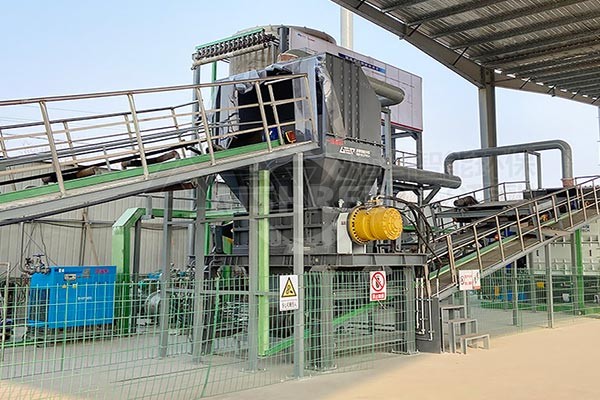
Designed for coarse size reduction, the GD series double-shaft shredder efficiently processes large BMC blocks, runners, and rejected parts. With low-speed, high-torque operation, it delivers high throughput (up to 60 TPH) and primary size reduction (around 50–200 mm), while minimizing dust generation—an important consideration for BMC processing. The machine can be equipped with different components to suit specific material and output requirements.
GEP ECOTECH's double-shaft shredders feature low speed, high torque, and high throughput, making them ideal for primary size reduction of bulky, rigid materials. Their heavy-duty construction and interchangeable cutters ensure reliable operation even with abrasive, fiber-reinforced feedstocks.
Secondary Shredding—Single-Shaft Fine Shredder
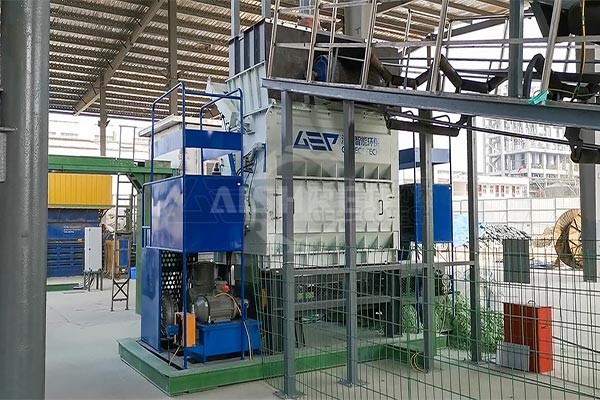
The single-shaft shredder is a versatile machine suitable for producing valuable secondary raw materials. By adjusting the rotor speed and screen size, the final discharge size can be precisely controlled—achieving outputs from 30 to 120 mm. The hydraulically driven pusher ensures automatic and smooth material entry, guaranteeing stable throughput. Unqualified material is carried back to the shredding zone for further reduction until it passes through the screen. With capacities ranging from 0.3 to approximately 20 tons per hour and multiple models, GEP ECOTECH offers solutions for every scale of operation.
Ready to optimize your scrap BMC recycling line? GEP ECOTECH provides reliable, CE-certified shredding solutions backed by years of engineering expertise. Contact our team for a customized recommendation tailored to your material type, capacity needs, and final particle size requirements.